
Blog
Beyond Stereotypes: Three Lessons on Creativity, Awareness, and Understanding
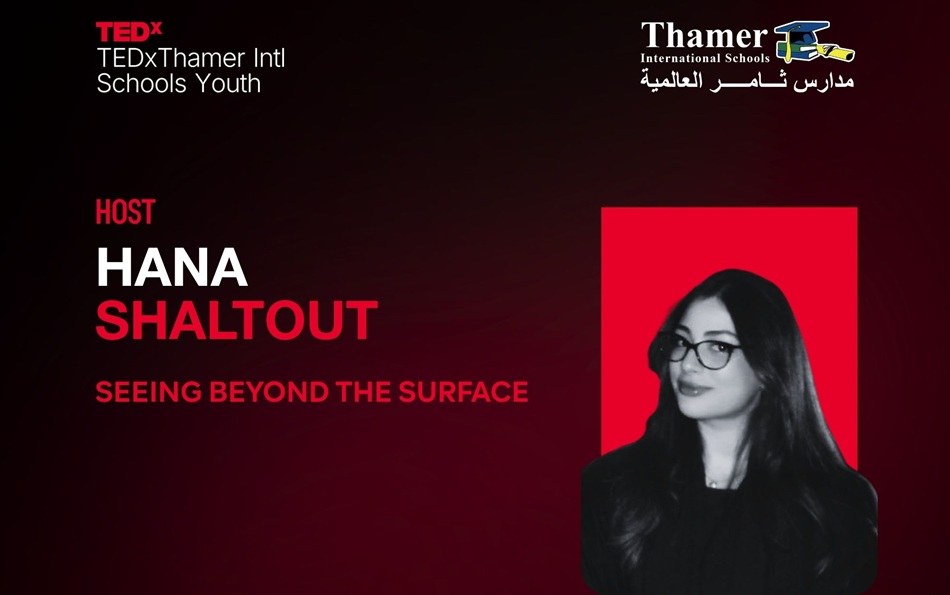
Inspired by the TEDx talk by Hana Shaltout at Thamer International Schools
Creativity is often more than art—it can become a language for expressing experiences, emotions, and perspectives that are difficult to explain through words alone. For Hana Shaltout, creativity in design, makeup artistry, and visual expression has become both a passion and a way of communicating identity and understanding.
In her TEDx talk, Hana focuses on autism awareness, particularly the ways autism in girls is frequently misunderstood, overlooked, or hidden behind stereotypes. Drawing from personal experience, she offers a perspective that is often unheard and encourages audiences to rethink common assumptions about neurodiversity.
Creativity Can Become a Powerful Form of Expression
Art and creativity allow people to communicate thoughts and emotions that may be difficult to describe directly.
The talk highlights how visual expression can help individuals share experiences, build confidence, and connect with others. Whether through design, beauty, or artistic work, creativity becomes a way to express identity and perspective in meaningful ways.
Creative expression is not only about appearance—it is also about communication and understanding.
Autism Does Not Look the Same for Everyone
One of the central messages in the talk is that autism can present differently from person to person, especially in girls.
Because many stereotypes surrounding autism are based on limited or outdated understanding, girls are often misunderstood or overlooked entirely. This can lead to feelings of isolation or pressure to hide parts of themselves in order to fit expectations.
The talk encourages audiences to move beyond stereotypes and recognize that neurodiversity exists in many different forms. Understanding begins when people are willing to listen to experiences that are often ignored.
Awareness Creates Empathy
Greater awareness leads to greater compassion and inclusion.
By speaking openly about autism and personal experience, Hana Shaltout encourages students to approach differences with empathy rather than judgment. Small shifts in understanding can make people feel more accepted, supported, and seen.
The talk reminds audiences that creating inclusive environments begins with education, kindness, and the willingness to understand perspectives beyond our own.
PUBLISHED ON Hits: 338
